Switchboard Upgrades on the Central Coast: Signs You Need One and What’s Involved
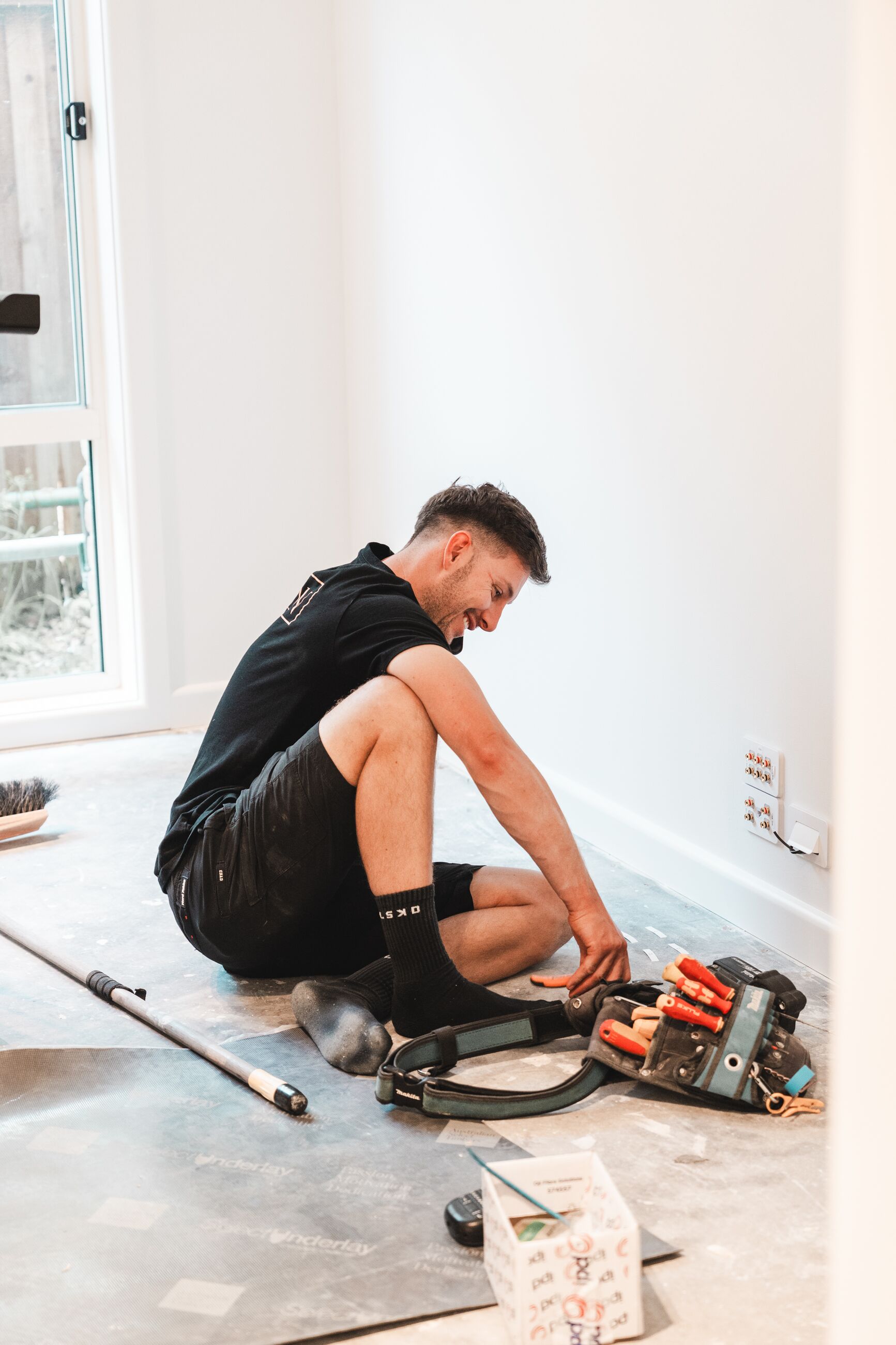
If you have not given your switchboard a second thought in twenty years, you are not alone. Most homeowners on the Central Coast only look at it when something goes wrong, a circuit drops out mid-cycle, a powerpoint stops working, or there is a faint burning smell near the meter box. The switchboard is the heart of your home’s electrical system, and when it is outdated it quietly becomes one of the biggest safety risks in the house. As a licensed Central Coast electrician, I want to walk you through what a switchboard actually does, the warning signs that it needs upgrading, and what a proper upgrade involves so you know what good work looks like.
What a switchboard actually does
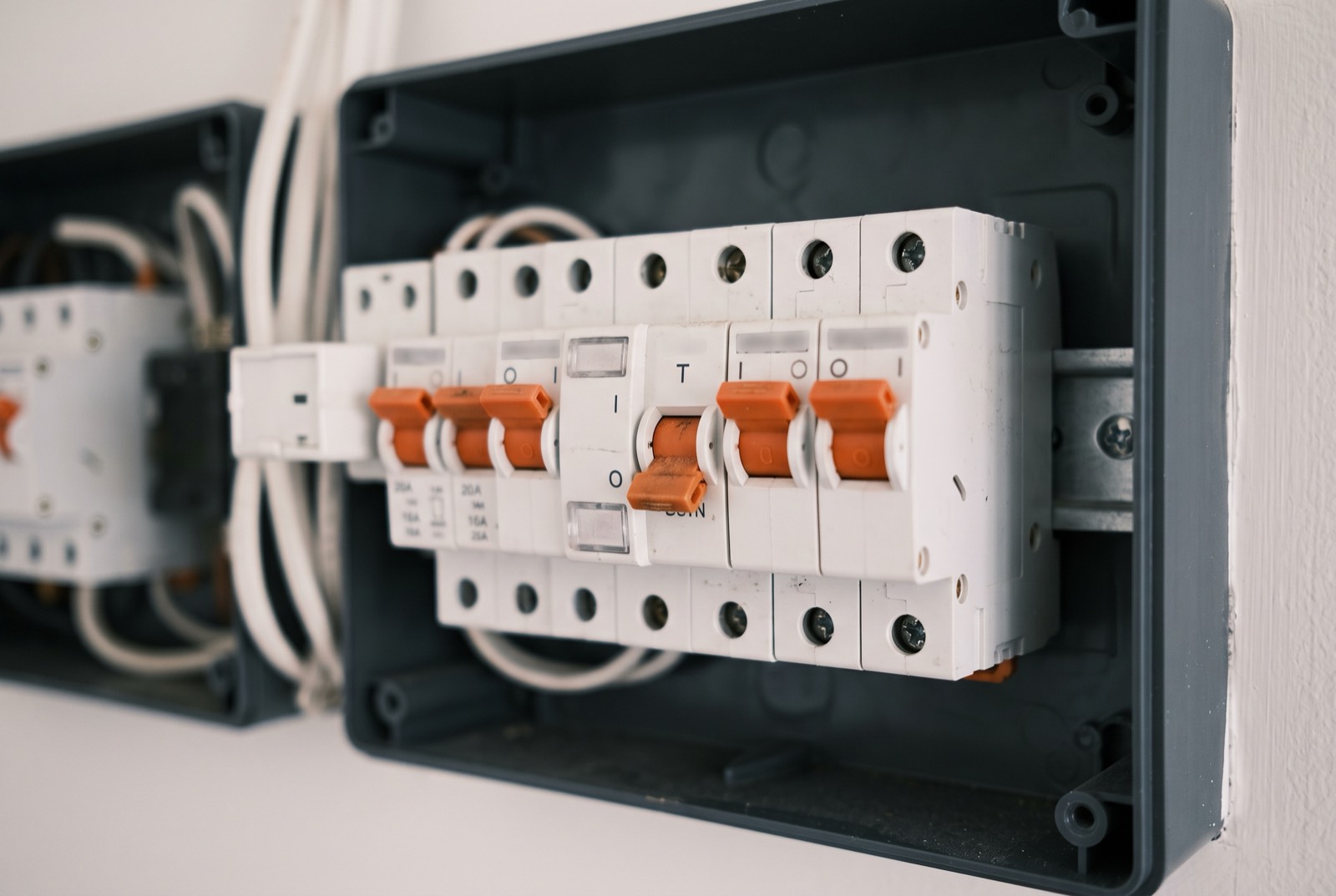
Your switchboard is the central point where the power supply from the street is distributed to every circuit in your home, lights, powerpoints, the oven, the hot water system, the air conditioner. It is also where the safety devices live. A modern board uses these devices to cut power instantly if there is a fault, a short circuit, or a sudden surge in current. Done properly, that protection is the difference between a tripped circuit and a house fire or a serious electric shock.
The problem is that many homes across the Central Coast still run on boards that were installed decades ago, long before current safety standards existed. Those older boards were never designed to handle the electrical load of a modern household, and they often lack the protective devices we now consider essential.
Signs you need a switchboard upgrade
You do not need to be an electrician to spot the early warning signs. If you notice any of the following, it is worth having your board assessed.
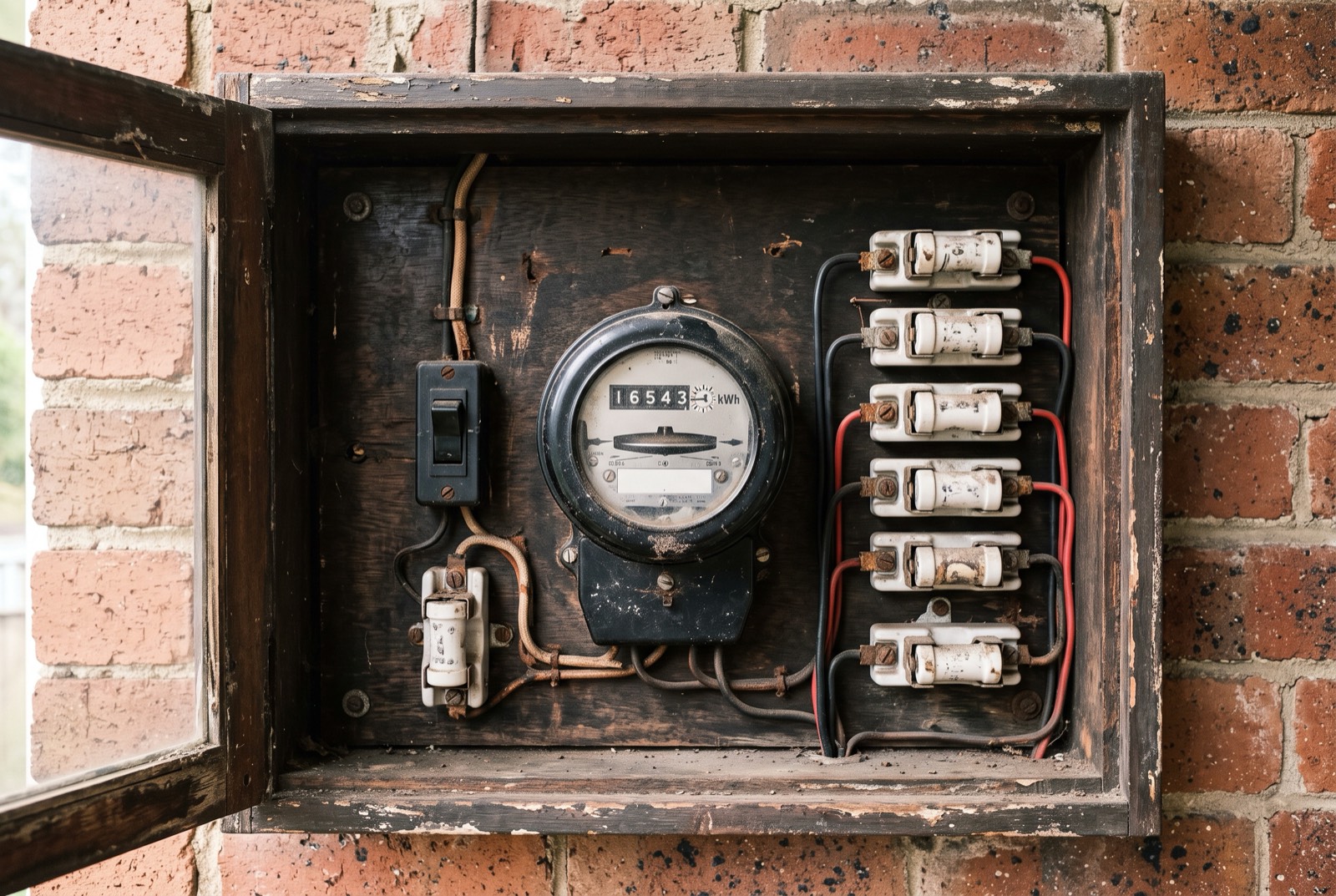
- Old ceramic or rewirable fuses. If your board has porcelain fuse holders with fuse wire you replace by hand, it is well overdue. These offer no protection against electric shock and react slowly to faults.
- No safety switches (RCDs). If there are no safety switches protecting your circuits, your home has no fast-acting protection against electric shock. This is the single most important reason to upgrade.
- Frequent tripping or blown fuses. A board that constantly drops out is telling you it cannot cope with the demand being placed on it.
- Added load from renovations or new appliances. A new kitchen, ducted air conditioning, a pool pump, or an EV charger all draw significant current. An older board often cannot handle the extra demand safely.
- Scorching, discolouration, or a buzzing sound. Brown marks, melted plastic, or a humming noise around the board point to loose connections or overheating. Treat this as urgent.
- A board untouched for decades. If nobody has worked on your switchboard in 25 or 30 years, the standards it was built to are long gone.
If any of these sound familiar, do not wait. Scorching or buzzing in particular should be treated as an emergency, our emergency electrician on the Central Coast is available 24/7 for exactly this kind of situation.
Why an upgrade matters for safety
Two things protect you and your family at the switchboard: shock protection and fire protection. Safety switches monitor the flow of electricity and cut power within milliseconds if current starts leaking to earth, for example, through a person who has touched a faulty appliance. Without them, a fault that should trip the board instead passes through whoever is in the way.
Fire protection comes from circuit breakers sized correctly for each circuit and from clean, tight connections inside the board. Older boards develop loose terminals and degraded insulation over time, and those are the connections that overheat and start fires inside the wall cavity, often without any warning until it is too late.
Current Australian wiring standards require safety switches on most circuits in the home, not just a token one or two. An upgrade brings your board up to that standard and gives you protection on the circuits that matter, the powerpoints and lighting you and your family touch every day.
What a quality switchboard upgrade involves
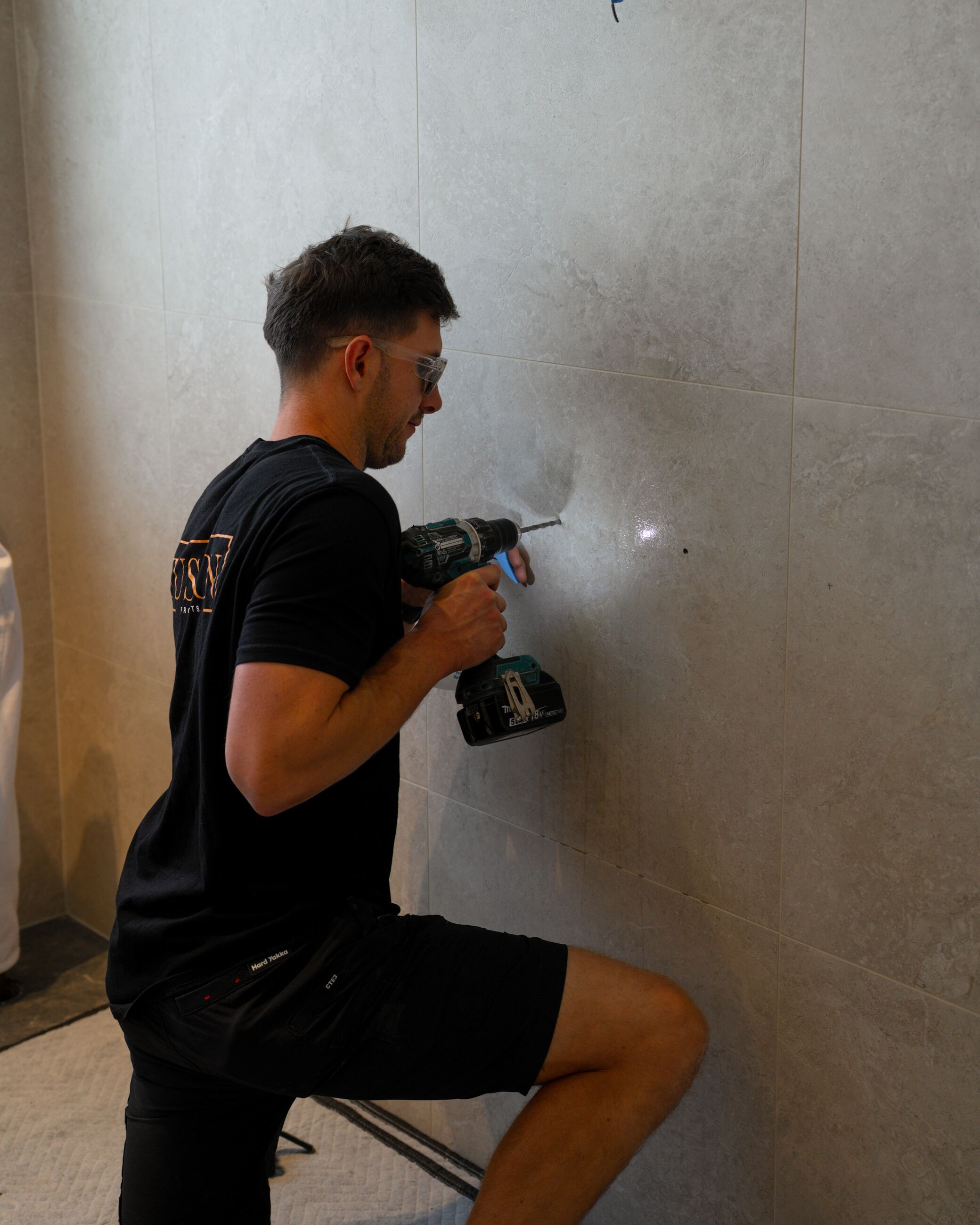
A proper upgrade is methodical, and there are no shortcuts if it is done correctly. Here is what you can expect from a quality job.
Assessment
Before anything is touched, the electrician inspects the existing board, the wiring condition, and the load on your home. This is where we work out how many circuits you have, what condition they are in, and what your board needs to handle safely both now and after any future additions like an EV charger.
Isolating the power
On the Central Coast, any work involving the connection to the network supply is the domain of a Level 2 electrician. Power is safely isolated before the old board is removed, which keeps everyone on site safe during the changeover.
Installing modern protective devices
The old fuses and breakers are replaced with modern devices, typically RCBOs. An RCBO combines a safety switch and a circuit breaker in one unit, so every circuit gets both shock protection and overload protection independently. If one circuit faults, only that circuit drops out and the rest of the house stays on.
Compliant assembly and testing
The new board is wired, labelled, and assembled to current standards, then every circuit is tested to confirm the protection works as it should. Clear labelling matters too, it means the next time a circuit trips, you can see exactly which one and why.
Certificate of electrical safety
Once the work passes testing, you receive a Certificate of Compliance for Electrical Work. This is your proof that the upgrade was carried out by a licensed electrician and meets the required standard. Keep it with your home records.
What affects the work involved
Every home is different, so a switchboard upgrade is never one-size-fits-all. A few factors shape what the job involves: the electrical load your home needs to carry, the number of circuits being protected, the physical condition of the existing board and wiring, and whether the supply connection needs Level 2 work. A larger home with ducted air conditioning and an EV charger needs more capacity than a two-bedroom unit, and a board with degraded wiring takes more care to bring up to standard.
One word of caution. The cheapest quote you receive is often the cheapest because it skips the safety switches or reuses old components that should be replaced. Cutting those corners defeats the entire purpose of the upgrade. When you compare quotes, make sure each one includes proper RCD or RCBO protection on every circuit and a certificate of compliance at the end. That is the work that actually keeps your family safe.
Frequently Asked Questions
How long does a switchboard upgrade take?
Most domestic switchboard upgrades are completed within a day. The exact time depends on the number of circuits, the condition of the existing wiring, and whether any supply or metering work is needed. Your electrician will give you a clear time frame after the initial assessment.
Will my power be off during the upgrade?
Yes, the power needs to be isolated while the old board is removed and the new one installed. This is usually for a few hours rather than the whole day. We let you know in advance so you can plan around it, particularly if you work from home or have medical equipment that relies on power.
Is a switchboard upgrade a legal requirement?
There is no law forcing you to upgrade a working board, but any new electrical work must meet current standards, which means safety switches are required when circuits are added or altered. Many homeowners also upgrade voluntarily once they understand the shock and fire risk an old board carries. If you are renovating or adding load, an upgrade often becomes necessary.
Do I need a Level 2 electrician for the job?
If the work involves the connection between your home and the network supply, or any metering changes, then yes, that work can only be done by an accredited Level 2 electrician. Fusion is Level 2 ASP accredited, so we can handle the full job from the supply point through to the final circuit without needing to bring in a second contractor.
What is the difference between a safety switch and a circuit breaker?
A circuit breaker protects the wiring from overload and short circuits, cutting power if a circuit draws too much current. A safety switch (RCD) protects people, cutting power within milliseconds if it detects current leaking to earth, such as through someone touching a live fault. A modern board uses RCBOs that combine both functions on each circuit, so you get the full protection on every line.
Talk to a licensed Central Coast electrician
An outdated switchboard is one of those problems that stays invisible right up until it is not. If your board has old ceramic fuses, no safety switches, or it has simply never been touched, having it assessed is a small step that genuinely protects your home and the people in it. With 16+ years of experience, Level 2 ASP accreditation, and 92 five-star Google reviews across Tuggerah, Terrigal, The Entrance, Gosford, Wyong, Erina, Kincumber, and Berkeley Vale, the team at Fusion knows exactly what a safe, compliant board looks like.
To find out where your switchboard stands, learn more about our switchboard upgrade service or contact Fusion for a free quote. We will give you an honest assessment and make sure your home is protected to current standards.
Where Fusion does this work. Fusion handles switchboard upgrades and renovations, new homes & rewiring across the Central Coast from our Tuggerah workshop, including Gosford and Wyong. See every suburb we cover, or call 0413 684 874 for a free on-site quote.