Smoke Alarm Installation on the Central Coast: What the Rules Say and What It Involves
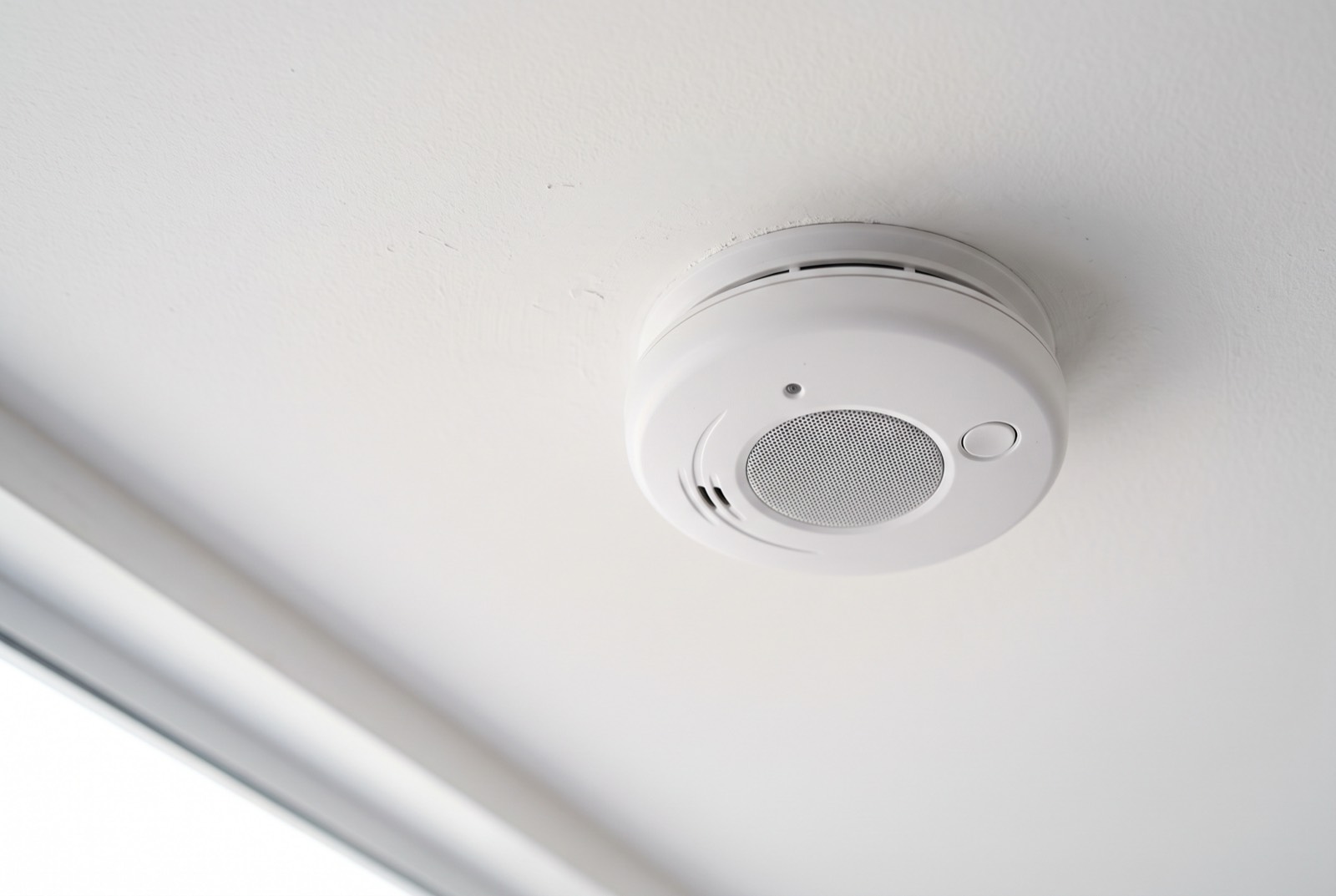
If you need smoke alarms installed on the Central Coast, the two questions worth answering first are: how many do you need and where, and does the job need a licensed electrician. Battery-only alarms can be swapped by anyone, but any alarm wired to your mains power (240V) has to be installed by a licensed electrician, and in new builds, major renovations and most rebuilt homes, hardwired interconnected alarms are what the National Construction Code calls for.
What NSW actually requires
Every home in NSW must have at least one working smoke alarm on each level. That applies to houses, units, townhouses, caravans and relocatable homes, whether you own it or rent it.
For rental properties, landlords have to make sure the alarms are working, and there are set timeframes to repair or replace a faulty alarm once a tenant reports it. Batteries in battery-only alarms need to be replaced at least annually. If you are a landlord or an agent managing a place from Gosford to Toukley, this is the part that gets missed: an alarm that beeps or fails a test is a repair obligation, not a maintenance suggestion.
Smoke alarms sold and installed in Australia must comply with AS 3786. Fire and Rescue NSW recommends photoelectric alarms, and that is what most electricians will fit as standard. You can read their guidance on Fire and Rescue NSW.
The 10 year rule everyone forgets
Smoke alarms expire. The sensor degrades whether the alarm has ever seen smoke or not, and the manufacture date is printed on the back or side of the unit. Ten years from that date, it goes in the bin regardless of whether it still chirps when you press the button. If you have just bought a house on the Coast and the alarms look yellowed or dusty, check the date before you do anything else.
Where alarms have to go
Placement matters more than the number. The basic pattern:
- In every hallway or corridor that bedrooms open onto
- If bedrooms do not open onto a hallway, between the bedroom area and the rest of the home
- On every storey, including a storey with no bedrooms
- On or near the ceiling, generally at least 300mm away from any corner, wall or light fitting
What to avoid: directly outside a bathroom door (steam sets them off), inside or right next to a kitchen, near ceiling fans, next to air conditioning vents, and in the peak of a cathedral ceiling where hot air sits in a dead pocket. A lot of the false alarm complaints we hear about on the Central Coast are placement problems, not faulty alarms.
Hardwired, battery or interconnected
| 9V battery alarm | 10 year sealed lithium | Hardwired 240V (interconnected) | |
|---|---|---|---|
| Who can install | Anyone | Anyone | Licensed electrician only |
| Battery changes | Every year | None for 10 years | Backup battery, varies by model |
| Keeps working in a blackout | Yes | Yes | Yes, on backup battery |
| All alarms sound together | No | Only on wireless interconnect models | Yes |
| Meets NCC for new builds and major renos | No | No | Yes |
| Best suited to | Short term fix only | Existing homes, minimum compliance | New builds, renos, larger or two storey homes |
Interconnection is the upgrade that actually changes outcomes. If a fire starts in the garage at 2am, an interconnected system means the alarm in the bedroom at the other end of the house sounds at the same moment. In a single alarm setup, you may not hear it at all. Some sealed lithium alarms interconnect wirelessly, which is a practical option in an existing home where running cable through the ceiling would mean cutting into plaster or lifting tiles.
What the install involves
For a hardwired install in an existing home, the work usually runs like this:
- Walk through and mark positions, checking hallway layouts, bedroom doors, stairwells and ceiling type
- Confirm there is a spare circuit and enough capacity at the switchboard, and check what the alarms will run off
- Run cable through the ceiling space from the switchboard or a nearby circuit to each location
- Cut, mount and terminate each alarm base
- Interconnect the alarms so they all sound together
- Test every unit, including the interconnect, and confirm the backup batteries are seating properly
The two things that swing the price are access and the switchboard. A single storey home with a walkable roof space and a clear ceiling run is straightforward. A two storey place, a flat roof, a cathedral ceiling or a home with no accessible ceiling space is a slower job, and it may mean surface cable or wireless interconnect instead. If the board is an old ceramic fuse setup with no room for another circuit, a switchboard upgrade may need to happen first, and that is worth knowing before you book, not after.
If you want a straight answer on how many alarms your place needs and how they would be wired, that is what the smoke alarm installation service covers.
When to call someone versus doing it yourself
Do it yourself: replacing a 9V battery, cleaning dust off a battery-only alarm with a vacuum, pressing the test button monthly, swapping a like-for-like battery-only unit that has hit its ten years.
Call a licensed electrician: any hardwired alarm, any interconnected system, a new build or renovation, an alarm that keeps chirping after a new battery, an alarm that will not stop sounding, or anything where you are not sure whether the existing units are wired in. Do not pull a hardwired alarm off the ceiling to look at it.
An alarm shrieking at midnight with no smoke in the house is a genuinely miserable problem, and it is one of the more common reasons people ring an emergency electrician after hours. Isolating it safely is usually quick for someone who does it regularly.
FAQ
My smoke alarm chirps every 30 seconds but the battery is new. What now?
Usually it is end of life. Most alarms chirp at intervals for the last stretch of their service life, and no battery will fix it. Check the manufacture date on the housing. If it is close to ten years old, the unit needs replacing. Other causes are dust in the chamber, or a backup battery not seated properly in a hardwired unit.
Do I need hardwired alarms if I am only renovating one room?
It depends on the scope of the work and what your approval covers. Minor cosmetic work generally does not trigger it. Structural changes, new bedrooms or a substantial rebuild usually bring the current code requirements into play for the affected part of the home. Worth confirming before the plaster goes up, because running cable is far cheaper with open ceilings.
Can smoke alarms be added while other electrical work is happening?
Yes, and it is the cheapest time to do it. If an electrician is already in your roof space for downlights, a general electrical job or a board change, adding alarm cabling at the same time saves a separate visit and a second lot of access work.
Where Fusion does this work. Fusion handles smoke alarm installation and pre-purchase electrical inspections across the Central Coast from our Tuggerah workshop, including Tuggerah and Wyong. See every suburb we cover, or call 0413 684 874 for a free on-site quote.