Level 2 Electrician on the Central Coast: What They Do and When You Need One
A Level 2 electrician is the only person allowed to work on the wires between the street and your property. If your power is out and the problem is at the pole, the overhead line, the underground service, the meter or the point where the wire attaches to your house, a regular electrician cannot legally touch it and will tell you to call a Level 2 ASP.
That is the whole distinction, and it is the reason most people end up searching for this at an awkward hour.
How to tell if your problem is a Level 2 job
A quick way to work it out before you call anyone:
- Your neighbours have power and you don’t. Could be your main switch, could be your service line. Worth a call.
- The whole street is out. That is Ausgrid’s network. Report it to Ausgrid, not an electrician.
- A wire is down, hanging low, or has come off the house. Stay well clear, keep kids and pets away, call Ausgrid on 13 13 88 immediately, then a Level 2 to reconnect once it is safe.
- You can see burning, arcing or scorch marks at the meter box or where the wire enters the eaves. Level 2 job, and an urgent one.
- Half your house works and half doesn’t, or lights are dim and flickering across the property. Often a failing neutral on the service line. Level 2.
- You need power to a new build, a granny flat, a shed or a subdivision. Level 2 for the new connection.
- Trip goes off every time you run the kettle and the aircon. That is usually inside the switchboard, so a normal electrician can handle it, though many Level 2s do both.
What “Level 2 ASP” actually means
ASP stands for Accredited Service Provider. It is an accreditation issued under the NSW scheme that authorises an electrician to work on the network side of the connection point. Level 1 covers building the network itself. Level 2 covers the connection to individual properties. Level 3 covers design.
A Level 2 ASP is authorised to:
- Connect and disconnect properties from the overhead or underground network
- Install, repair and replace service lines, including the consumer mains where they cross the connection point
- Install, remove, upgrade and relocate metering equipment
- Install and remove private overhead and underground service poles
- Fit and remove service fuses
- Do temporary builder’s supply for construction sites
Every one of those tasks gets recorded and submitted back to the network operator. On the Central Coast that is Ausgrid, from Wyong and the northern lakes down through Gosford, Terrigal, Woy Woy and the Peninsula.
The jobs that come up most on the Coast
Storm damage. Southerlies and summer storms bring branches down on service lines all over the Coast, particularly through the bushier pockets around Kincumber, Bensville, Somersby and the Bays. When a line is pulled off the house, the point of attachment usually goes with it, taking a bit of fascia along too.
Old private poles. A lot of the older housing stock, especially on larger blocks and rural properties out towards Yarramalong and Mangrove Mountain, is fed from a private pole in the yard. Those poles are the property owner’s responsibility, not Ausgrid’s. Hardwood poles rot at the ground line and steel ones rust out. If Ausgrid has left you a defect notice about your pole, you need a Level 2 to replace it.
Salt and coastal weather. Meter boxes and overhead attachments in the beachside suburbs corrode faster than they do inland. Rusted-out meter panels and crumbling boxes are common on the older places near the water.
Underground service faults. Newer estates around Warnervale, Hamlyn Terrace and Wadalba are almost all underground. When those fail, it is usually a joint or damage from digging, and the repair means locating the fault and excavating.
Supply upgrades. Adding ducted aircon, a pool, a workshop, an EV charger or a granny flat can push an old single-phase supply past what it can carry. An upgrade to a larger single-phase service or to three phase is a Level 2 job, often with switchboard work alongside it.
What happens when you call
For a fault, expect to be asked what you can see, whether any wires are down, whether neighbours have power, and whether the meter box is accessible. Have a look before you ring, it saves a lot of back and forth.
On site, the first job is making it safe. That might mean pulling the service fuse and isolating the property before anything else happens. From there the fault gets traced, and the repair either happens on the spot or gets made safe and booked in for parts.
For a planned job like a supply upgrade or a new connection, there is paperwork before there is work. An application goes to Ausgrid, and depending on the job you may need a Notification of Service Work or a full connection application. Some of it is same day. Some of it takes weeks, particularly anything involving a new point of supply or network augmentation. Ask up front which category your job sits in so you can plan around it.
What affects the cost
Nobody can quote a service line fault properly over the phone, but these are the things that move the number:
- Whether it is after hours or a weekend
- Overhead or underground (underground means locating and digging)
- Whether the meter box, panel or point of attachment needs replacing as well as the wire
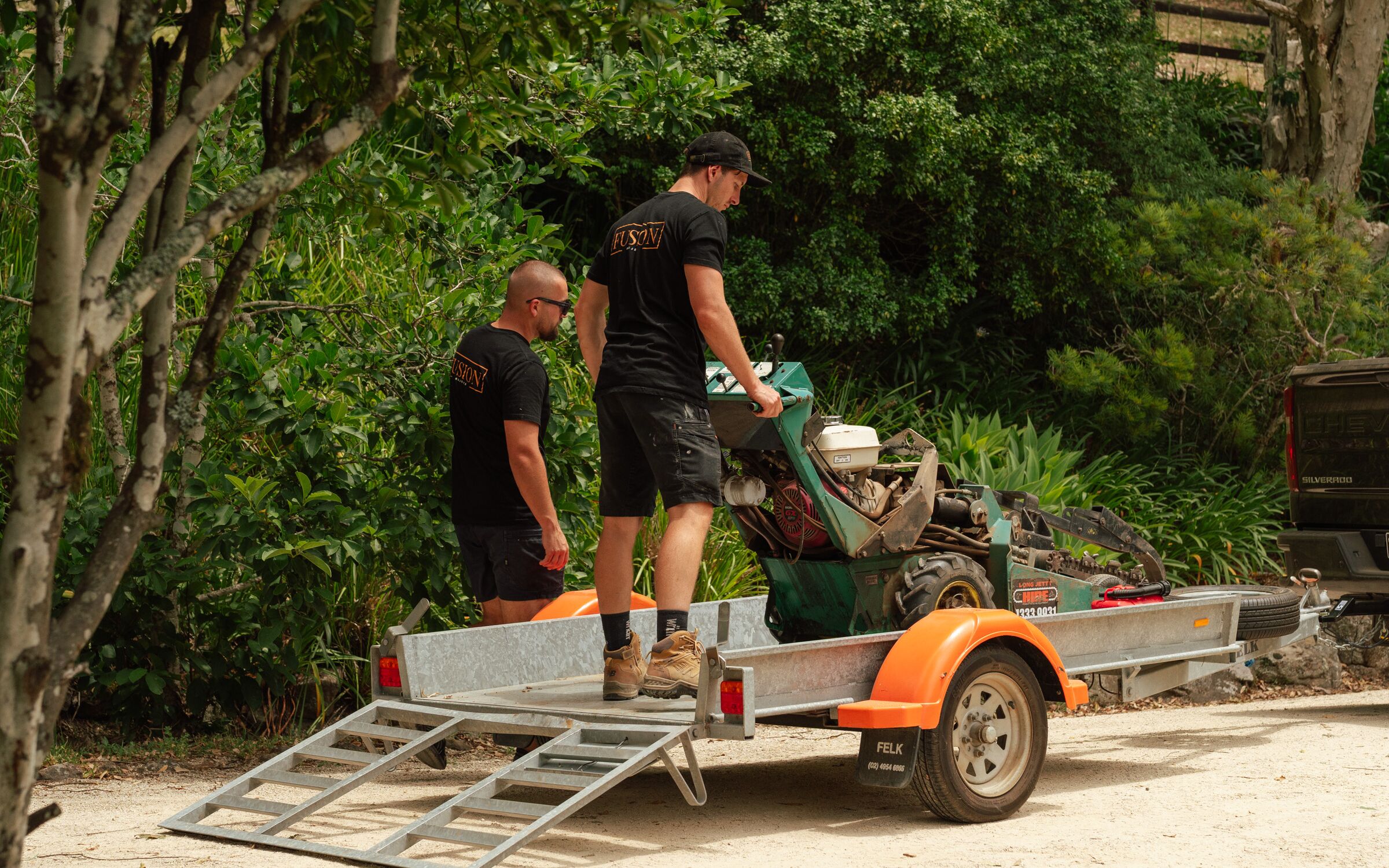
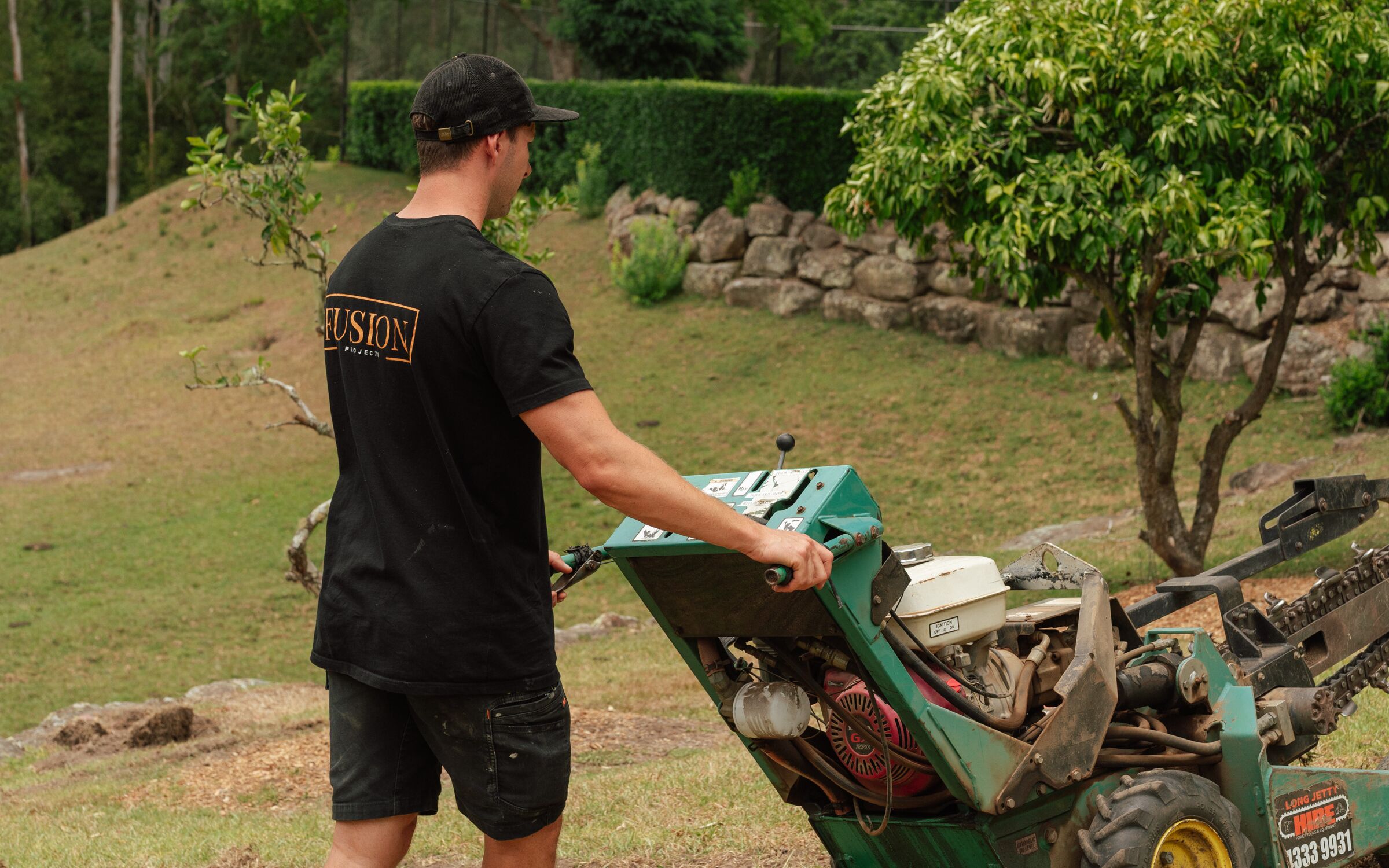
- Whether a private pole is involved, and whether the ground can take a machine or has to be dug by hand
- Single phase or three phase
- Whether an electrical inspector or Ausgrid attendance is required
- Access, including how far the pole is from the road and whether there is a fence, pool or slope in the way
Ask whether the quote covers making good, patching the wall, tidying the trench, repairing fascia. That is where the surprises usually live.
Choosing who to call
Check they are a current Level 2 ASP and ask for the accreditation number if you want to verify it. Check they hold a NSW electrical contractor licence. Ask whether they do the whole job or subcontract the meter work out, because two trades means two visits.
Local matters here more than usual. Someone based on the Coast knows the Ausgrid processes for this network, and can get to Ettalong at 2am without a two hour drive.
FAQ
Does the power company or the owner pay for the repair?
Ausgrid is responsible up to the connection point. From there in, including the service line to the house, the point of attachment, the meter box and any private pole, it is the property owner. That surprises a lot of people who assume the wire crossing their yard belongs to the network.
Can I get power back on tonight?
Often yes, if the fault is on the service line or at the meter and the parts are on the truck. If a private pole has to be replaced, or the switchboard is unsafe, sometimes the honest answer is a temporary safe arrangement tonight and the full repair when materials and access allow.
I got a defect notice from Ausgrid. How long do I have?
The notice itself states the timeframe and it varies with severity. Serious defects can lead to disconnection if they are not fixed. Do not sit on it, and give the Level 2 the notice number when you book, it tells them exactly what has to be rectified.
Where Fusion does this work. Fusion handles Level 2 network work across the Central Coast from our Tuggerah workshop, including Tuggerah and Wyong. See every suburb we cover, or call 0413 684 874 for a free on-site quote.