EV Charger Installation on the Central Coast: What’s Involved and What to Know
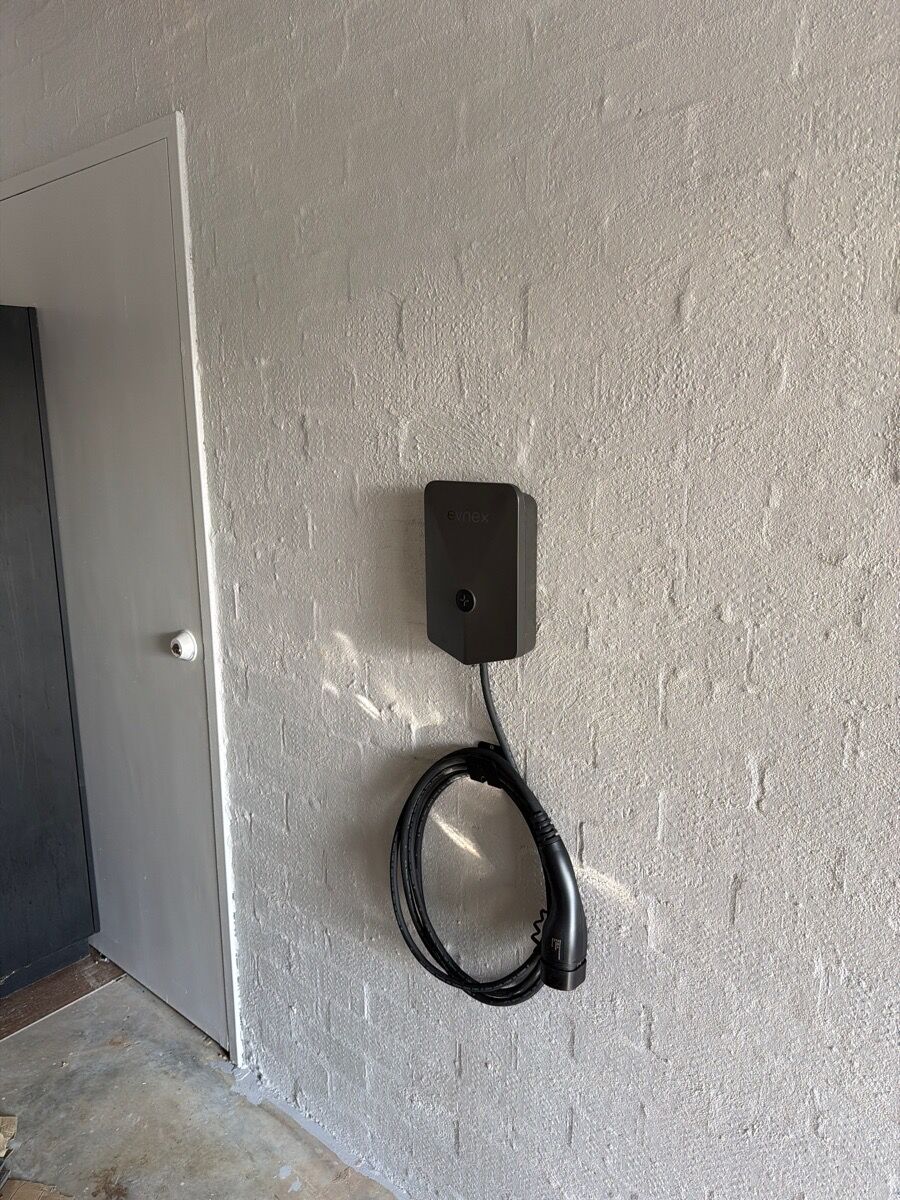
If you have just bought an electric vehicle, or you are about to, charging it at home is one of the first things on your list. Public chargers are fine in a pinch, but the convenience of plugging in overnight in your own garage is hard to beat. The part most people underestimate is what actually sits behind that wall-mounted charger. A proper EV charger installation on the Central Coast is not a plug-and-play job, and getting it right the first time saves you headaches, false starts, and safety risks down the track.
At Fusion Electrical & Carpentry, we install home EV chargers across the Central Coast, from Tuggerah and Wyong through to Terrigal, Erina and Avoca Beach. This guide walks through what is actually involved, what you need to know before you book anyone, and how to choose the right charger for your home.
What’s involved in a home EV charger installation
A safe, code-compliant install is a sequence of steps, not a single task. Skipping any one of them is where the trouble starts. Here is what a licensed electrician works through on a typical home install.
- Assessing the switchboard and supply. Before anything goes on the wall, we look at your switchboard, your main supply, and how much spare capacity you have. An EV charger is a serious continuous load, and many older Central Coast homes simply were not wired with that in mind.
- Choosing the right charger. The charger needs to suit your car, your driving habits, and your home’s electrical setup. More on that below.
- Running a dedicated circuit. An EV charger needs its own dedicated circuit back to the switchboard. It cannot share a circuit with your power points or lights.
- The cable run. We plan the neatest, safest route from the switchboard to where the charger will live, whether that is an internal garage wall, a carport, or an external wall.
- Load management. If your supply is tight, a smart load-management setup lets the charger draw power without tripping the main when the oven, air conditioner and hot water are all running at once.
- RCD protection. EV circuits require the correct type of residual current device for safety. This protects you and your household from electric shock and faults.
- Isolation. A means of safely isolating the charger is part of a compliant install, so the unit can be cut off from supply when needed.
- Testing and commissioning. Once everything is wired, we test the circuit, confirm the protection is working, and commission the charger so you can drive off knowing it is done properly.
You can read more about our full EV charger installation service and what each install includes.
Why a licensed electrician is required
An EV charger is hard-wired into your home’s electrical system and pulls a high, sustained current for hours at a time. This is not the same as plugging an appliance into a wall socket. In New South Wales, work like this must be carried out by a licensed electrician, and any work involving the connection between your home and the grid needs a Level 2 Accredited Service Provider.
There is a real safety reason behind the rule. An undersized cable, a missing RCD, or a circuit that is not properly rated can overheat, trip repeatedly, or in the worst case start a fire. Fusion Electrical & Carpentry is Level 2 ASP accredited with more than 16 years of experience on the Central Coast, so the supply-side work and the charger install are handled correctly under the one roof. If your job needs work on the incoming supply, our Level 2 electrician service covers exactly that.
Choosing the right charger
The charger you pick has a bigger impact on your day-to-day experience than most people expect. A few decisions matter here.
Single phase vs three phase
Most Central Coast homes run on single-phase power, which suits the majority of EV owners well and charges a typical car overnight without issue. If your home already has three-phase supply, or you do a lot of high-kilometre driving and want faster charging, a three-phase charger can roughly triple your charging speed. We check what supply you have on the first visit so you are not paying for capacity you cannot use.
Tethered vs untethered
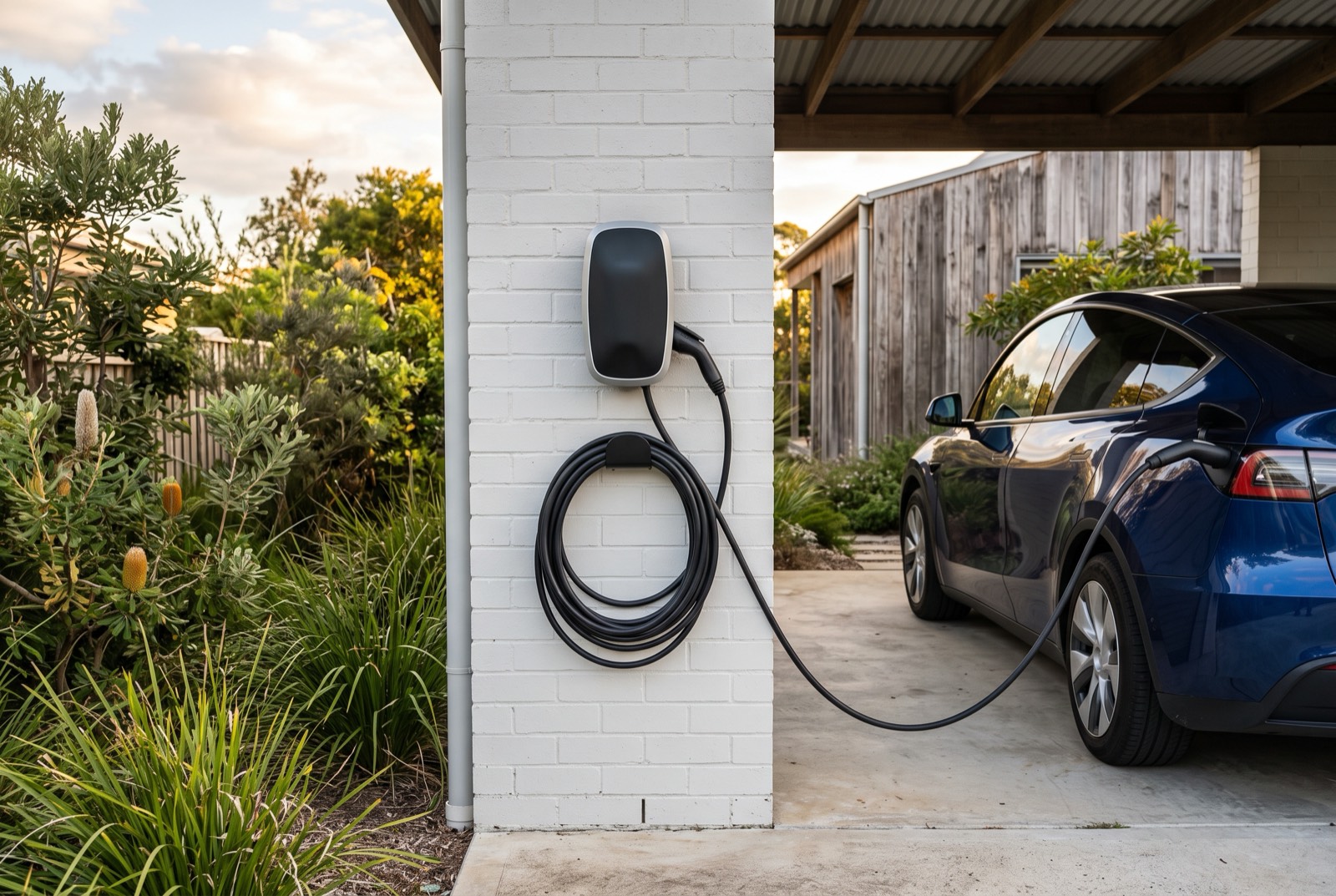
A tethered charger has the cable permanently attached, so you grab it and plug straight in. An untethered (or socketed) charger has a socket on the unit and you use your own portable cable. Tethered is more convenient for daily use. Untethered keeps the cable out of the weather and is more flexible if you change cars or share the charger with a different plug type.
Smart chargers
Smart chargers connect to your home wifi and let you schedule charging, track usage, and set the unit to charge during off-peak times. If you are on a time-of-use electricity plan, scheduling your charging for the cheaper overnight window can make a noticeable difference to your running costs over a year. They also pair neatly with load management so the charger automatically eases off when the rest of the house is drawing power.
Solar integration
If you have rooftop solar, a charger that integrates with it can prioritise your own generated power, so you are charging the car off the sun rather than buying it back from the grid. As an SAA-accredited solar installer, Fusion can advise on whether your existing system and inverter suit solar-aware charging, and set it up so the two systems work together rather than against each other.
When a switchboard upgrade is needed first
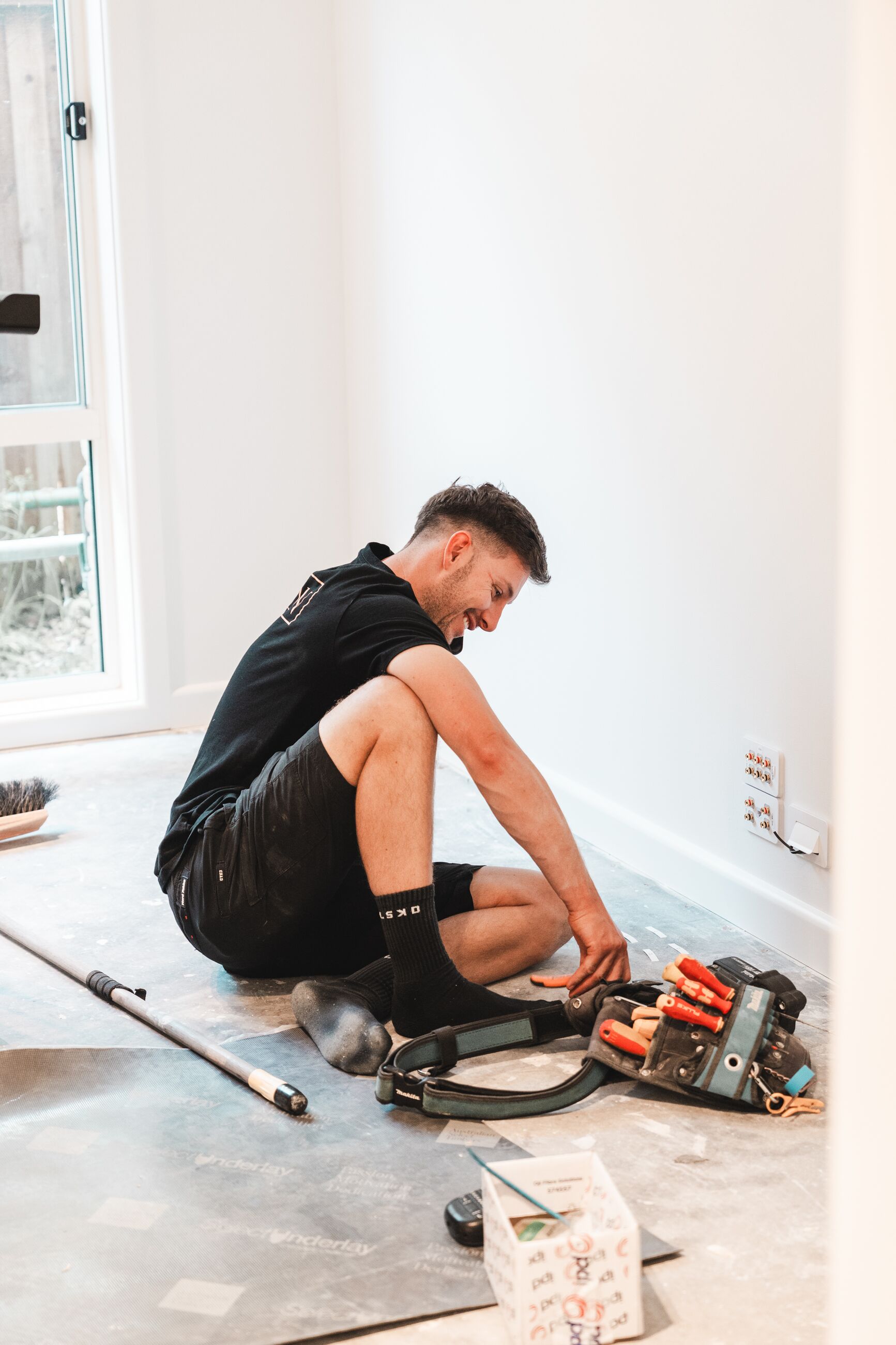
This is the part that surprises homeowners most often. A good number of Central Coast homes, especially older ones around Gosford, The Entrance and Berkeley Vale, have switchboards that were never built to carry an EV charger on top of the existing household load.
Signs your switchboard may need attention before a charger goes in include ceramic fuses, no main switch RCD protection, a board that is already full with no spare ways, or visible age and wear. If that is the case, the switchboard upgrade comes first, then the charger. It is not an upsell. It is the foundation the charger depends on, and trying to add a high-load circuit to an undersized or outdated board is exactly the kind of shortcut that causes problems later. We cover this in detail on our switchboard upgrades page.
The honest answer is that not every install needs one. We assess your board first and tell you straight whether it is up to the job. If it is, we get on with the charger. If it is not, we explain why and what the upgrade involves before any work starts.
The Central Coast angle
Using a local Central Coast electrician for your EV charger install has practical benefits beyond convenience. We know the housing stock in suburbs like Kincumber, Bateau Bay and Avoca Beach, we know how the local supply network behaves, and we are close by if anything ever needs a follow-up visit. With 24/7 emergency response and 92 five-star Google reviews behind us, you are dealing with a team that is genuinely part of the area, not a contractor driving up for the day and disappearing.
Frequently Asked Questions
How long does a home EV charger installation take?
A straightforward install is usually completed in a few hours. If your cable run is long, the switchboard needs work first, or supply-side connection is involved, it can take longer. We give you a clear scope after assessing your home so there are no surprises on the day.
Can I install an EV charger myself?
No. EV charger circuits must be installed by a licensed electrician in New South Wales, and supply-side work requires a Level 2 ASP. Beyond the legal requirement, the high continuous load and the safety protection involved make this firmly a job for a qualified professional.
Do I definitely need a switchboard upgrade?
Not always. Many homes have enough capacity and a modern board, in which case no upgrade is needed. Others, particularly older homes, do need the board sorted first. We assess yours before quoting and tell you honestly which camp you are in.
Can my EV charger work with my solar panels?
Yes, with the right charger and setup. A solar-aware charger can prioritise your own generated power so you charge the car from the sun where possible. As an SAA-accredited solar installer, we can check whether your current system suits this and configure it for you.
Which Central Coast suburbs do you service?
We install EV chargers right across the Central Coast, including Tuggerah, Terrigal, The Entrance, Gosford, Wyong, Erina, Kincumber, Berkeley Vale, Bateau Bay and Avoca Beach, along with the surrounding areas.
Ready to charge at home?
A home EV charger should be installed once, properly, by someone who checks your switchboard and supply before they touch the wall. That is how you end up with a charger that just works every night without tripping, overheating, or needing a re-do six months later. Fusion Electrical & Carpentry brings 16-plus years of experience, Level 2 ASP accreditation and SAA solar accreditation to every install across the Central Coast.
If you are thinking about a home charger, contact Fusion for a free quote and we will assess your setup and recommend the right charger for your home.
Where Fusion does this work. Fusion handles EV charger installation and solar & battery across the Central Coast from our Tuggerah workshop, including Gosford and Wyong. See every suburb we cover, or call 0413 684 874 for a free on-site quote.